

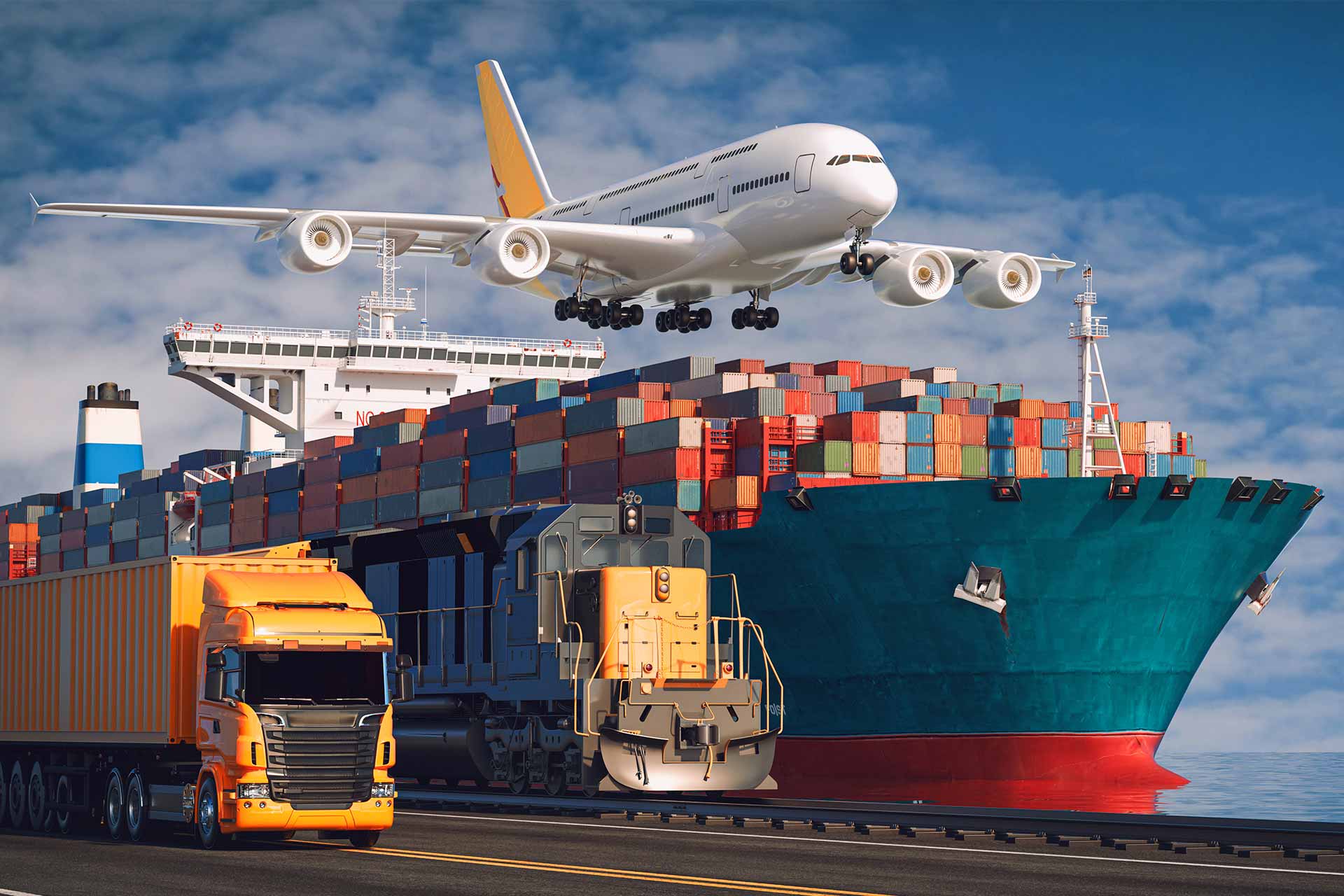
The UAE has long been a global leader in logistics and freight forwarding, thanks to its strategic location, advanced infrastructure, and strong international connections. As the demand for international trade continues to grow, the future of freight forwarding in the UAE is poised for significant transformation. In this article, we will explore the key trends shaping the logistics industry in the UAE and how these developments are positioning the country as a hub for modern freight forwarding.
Integration of Technology and Automation
One of the most significant trends in the future of freight forwarding in the UAE is the increasing integration of technology and automation. As global trade continues to expand, the logistics industry needs more efficient and streamlined processes. Automation in freight forwarding is helping reduce human error, enhance speed, and lower operational costs.
Companies are increasingly adopting advanced technologies like Artificial Intelligence (AI), Internet of Things (IoT), and blockchain to improve tracking, reduce delays, and optimize routes. These technologies allow freight forwarders to track goods in real-time, manage inventory more effectively, and ensure smooth communication between various stakeholders.
Additionally, automation is expected to play a crucial role in port operations. The UAE’s major ports, including the Port of Jebel Ali in Dubai, are already utilizing automated systems to handle containers more efficiently, reducing congestion and improving turnaround times. This trend is expected to grow, making freight forwarding operations faster and more efficient.
Growth of E-commerce and Increased Demand for Logistics Services
E-commerce has revolutionized global trade and logistics, and the UAE is no exception. With the rise of online shopping, both domestic and international shipping demands have surged. As a result, freight forwarding services are seeing an increased need to handle higher volumes of goods.
The UAE’s logistics industry is adapting to this demand by focusing on last-mile delivery solutions, which are crucial for e-commerce businesses. Companies are investing in advanced technology and expanding their warehousing capabilities to meet the growing expectations for fast and reliable delivery.
As more businesses shift to e-commerce, freight forwarders in the UAE are also focusing on offering customized solutions for smaller shipments and quick turnaround times. The ability to efficiently handle smaller, high-volume shipments is becoming a key competitive advantage for logistics providers.
Sustainability and Green Logistics
As global attention shifts towards climate change and environmental impact, sustainability has become a central concern for the logistics industry. The UAE is increasingly focusing on green logistics solutions, aiming to reduce the carbon footprint of the freight forwarding industry.
Freight forwarders are adopting more sustainable practices, such as optimizing routes to reduce fuel consumption, using electric vehicles for last-mile deliveries, and investing in renewable energy sources for warehouses and storage facilities. The UAE government is also playing a role by implementing policies that encourage sustainability in the logistics sector, including the development of green transport corridors and the promotion of eco-friendly packaging.
By embracing sustainability, the UAE’s logistics industry can not only reduce its environmental impact but also meet the growing demand from consumers and businesses for more eco-conscious supply chain practices.
Expansion of Free Zones and Trade Agreements
The UAE’s network of free zones has been a key factor in the country’s success as a logistics hub. These free zones, such as the Dubai Airport Freezone (DAFZA) and the Jebel Ali Free Zone (JAFZA), offer businesses tax exemptions, simplified customs procedures, and ease of setting up operations. The growth of these free zones continues to shape the future of freight forwarding in the UAE.
In addition, the UAE has entered into numerous free trade agreements with countries around the world. These agreements help reduce trade barriers, lower tariffs, and promote smoother trade between the UAE and other nations. As more agreements are signed, the UAE is likely to see an increase in global trade volumes, further boosting its position as a key player in the global logistics network.
The Role of Artificial Intelligence and Data Analytics
Artificial Intelligence (AI) and data analytics are transforming the way freight forwarders operate in the UAE. AI allows for the automation of many aspects of the logistics process, including route planning, cargo tracking, and customer service. By using machine learning algorithms, freight companies can predict delays, optimize delivery routes, and improve decision-making.
Data analytics is also enabling better supply chain management. By collecting and analyzing large volumes of data, freight forwarders can gain valuable insights into customer needs, inventory levels, and transportation trends. This data-driven approach helps businesses make more informed decisions, reduce costs, and enhance customer satisfaction.
As these technologies continue to evolve, the logistics industry in the UAE will become even more efficient, providing companies with the tools they need to stay competitive in an increasingly complex global market.
Focus on Skilled Workforce and Training
As technology advances, the demand for a skilled workforce in the logistics sector is growing. The UAE is focusing on providing training and educational opportunities to develop the next generation of logistics professionals. Specialized training in areas such as supply chain management, customs regulations, and technology integration is essential to ensure the industry keeps pace with technological developments.
The UAE government, in collaboration with private companies, is investing in workforce development programs to equip employees with the skills needed to manage new technologies and complex logistics operations. This focus on education and skill development ensures that the UAE’s logistics sector remains competitive and ready to meet future challenges.
Digital Platforms for Freight Management
The future of freight forwarding in the UAE will also see the rise of digital platforms that connect all parts of the supply chain. These platforms enable freight forwarders to manage shipments, track cargo, and communicate with clients more efficiently. By centralizing information and processes in one digital platform, businesses can reduce inefficiencies and ensure better coordination across the supply chain.
Such digital platforms also provide greater visibility for customers, allowing them to track shipments in real-time and make more informed decisions about their logistics needs. This digitalization of the freight forwarding industry will be key to improving overall operational efficiency and customer satisfaction.
Contact Us Today!
The future of freight forwarding in the UAE is bright, with several key trends shaping the industry. Technology, sustainability, e-commerce growth, and digitalization are all playing significant roles in transforming logistics operations. The UAE’s strategic location, strong infrastructure, and business-friendly environment continue to make it a leading logistics hub. As these trends continue to evolve, freight forwarders in the UAE will be well-positioned to meet the demands of a rapidly changing global market and maintain the country’s status as a leader in logistics and trade.